Quick Answer: Google AI Overview is a short summary that Google shows at the top of your search results, made using AI. It reads answers from many websites and gives you one simple answer, so you don’t have to click on every link. Websites that write clear, honest, and helpful content still have a good chance to get featured in it.
What is Google AI Overview? It is the AI-powered summary that Google now shows at the top of your search results. You type a question, and instead of scrolling through ten blue links, you get a ready-made answer. It feels magical. But for website owners like you and me, it also feels a little scary.
Search has changed. And it has changed fast. If you run a website, a blog, or a business in India, you have probably noticed something different in Google lately. Answers appear before you even click anything. That is the AI Overview at work.
By the end of this guide, you’ll understand what Google AI overview, how Google AI Overview works, why it matters for SEO, and the practical steps you can take to improve your chances of appearing in AI-powered search results.
What is Google AI Overview?
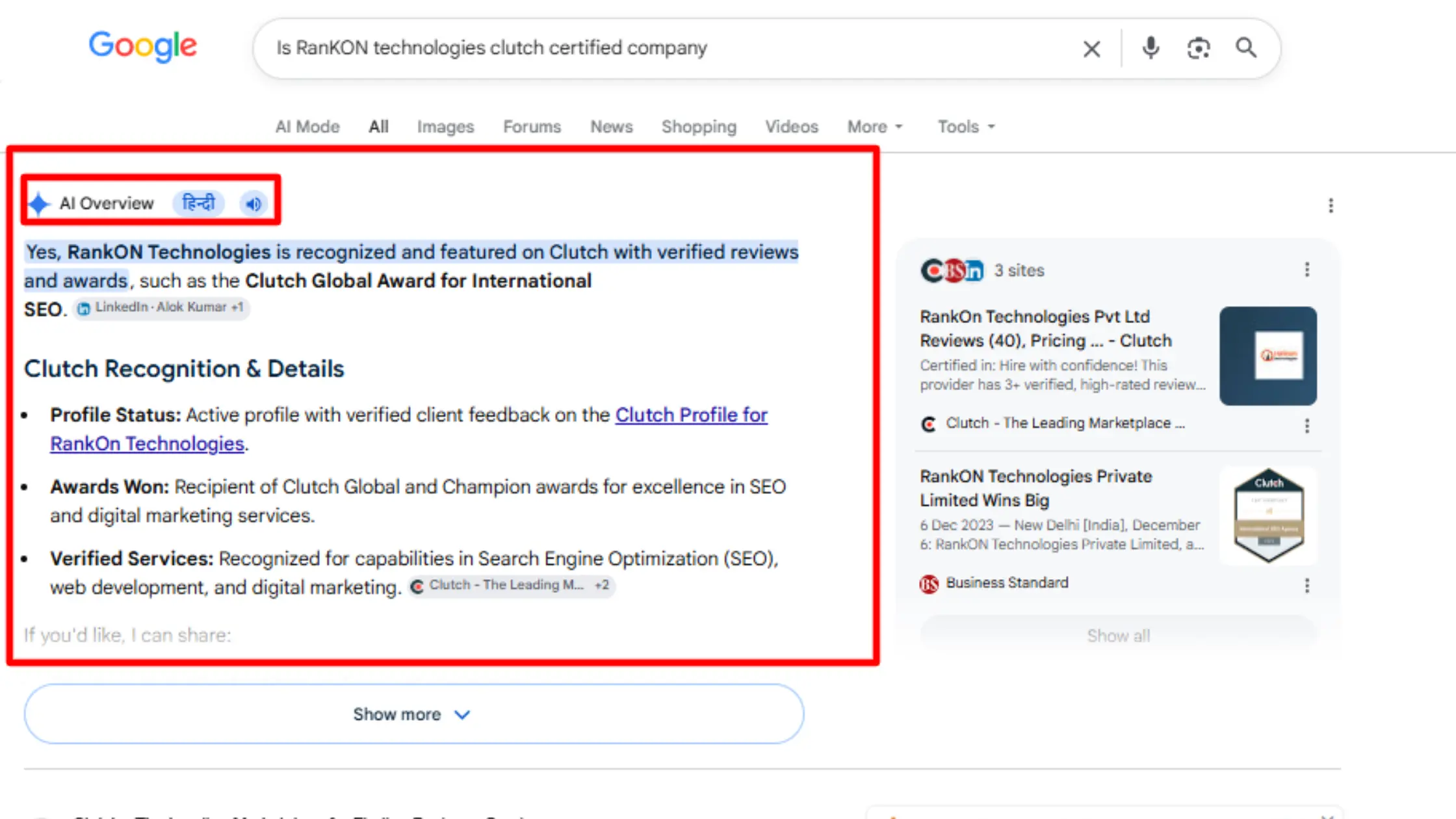

Google AI Overview is a search feature that uses artificial intelligence to generate a short, direct answer to your query. It appears above the normal organic search results.
Instead of sending you to ten different websites, Google’s AI reads content from multiple sources and writes one combined summary for you. This summary usually includes links, so you can click through and read more if you want.
Think of it like asking a well-read friend a question. Instead of pointing you to ten books, your friend reads them all and gives you the short version. That is exactly what AI Overview does — only at Google’s massive scale.
It is powered by Gemini, Google’s own family of large language models (LLMs). The goal is simple: help users get answers faster, without wasting time.
The History of Google AI Overview: From Idea to Reality
Understanding where AI Overview came from helps you understand where it is going. So let’s take this journey together, step by step.
The Early Experiment (2023)
It all began in May 2023, when Google introduced something called the Search Generative Experience (SGE). This was an early experiment, only available to people who joined a waitlist.
At this stage, AI-generated answers were not shown to everyone. Google was testing the waters, watching how users reacted, and fixing problems quietly in the background.
The Public Launch (2024)
By March 2024, Google started testing AI answers directly inside normal search results — even for users who never signed up for SGE. This was a big shift.
Then, on 14 May 2024, Google officially launched AI Overviews for all users in the United States. This was the moment AI Overview stopped being an experiment and became a real part of Google Search.
Of course, early days brought early problems. Some AI answers were wrong, and a few even went viral for being strange or unsafe. Google responded quickly, tightening its systems and improving accuracy.
Expansion to India and the World (2024–2025)
In August 2024, Google expanded AI Overviews to six new countries — and India was one of them. This meant Indian users, and Indian websites, were now directly affected by this new way of searching.
By October 2024, the feature had expanded to over 100 countries, supporting many languages, including Hindi. Google kept improving the design too, adding source panels and inline links.
In 2025, Google upgraded AI Overview to run on more advanced Gemini models. This allowed it to answer harder questions, including coding queries and multi-step problems. Around the same time, Google also introduced AI Mode, an even deeper AI search experience.
Where We Are Today (2026)
Today, AI Overview is a normal part of Google Search for millions of users, including here in India. It shows up for a wide range of queries — not just simple questions, but complex, multi-part ones too.
This journey, from a small experiment to a global search feature, happened in less than three years. That speed tells you something important: this is not a passing trend. It is the new direction of search.
How Does Google AI Overview Work?
Now let’s answer the question you are probably really asking: how does it actually work behind the scenes?
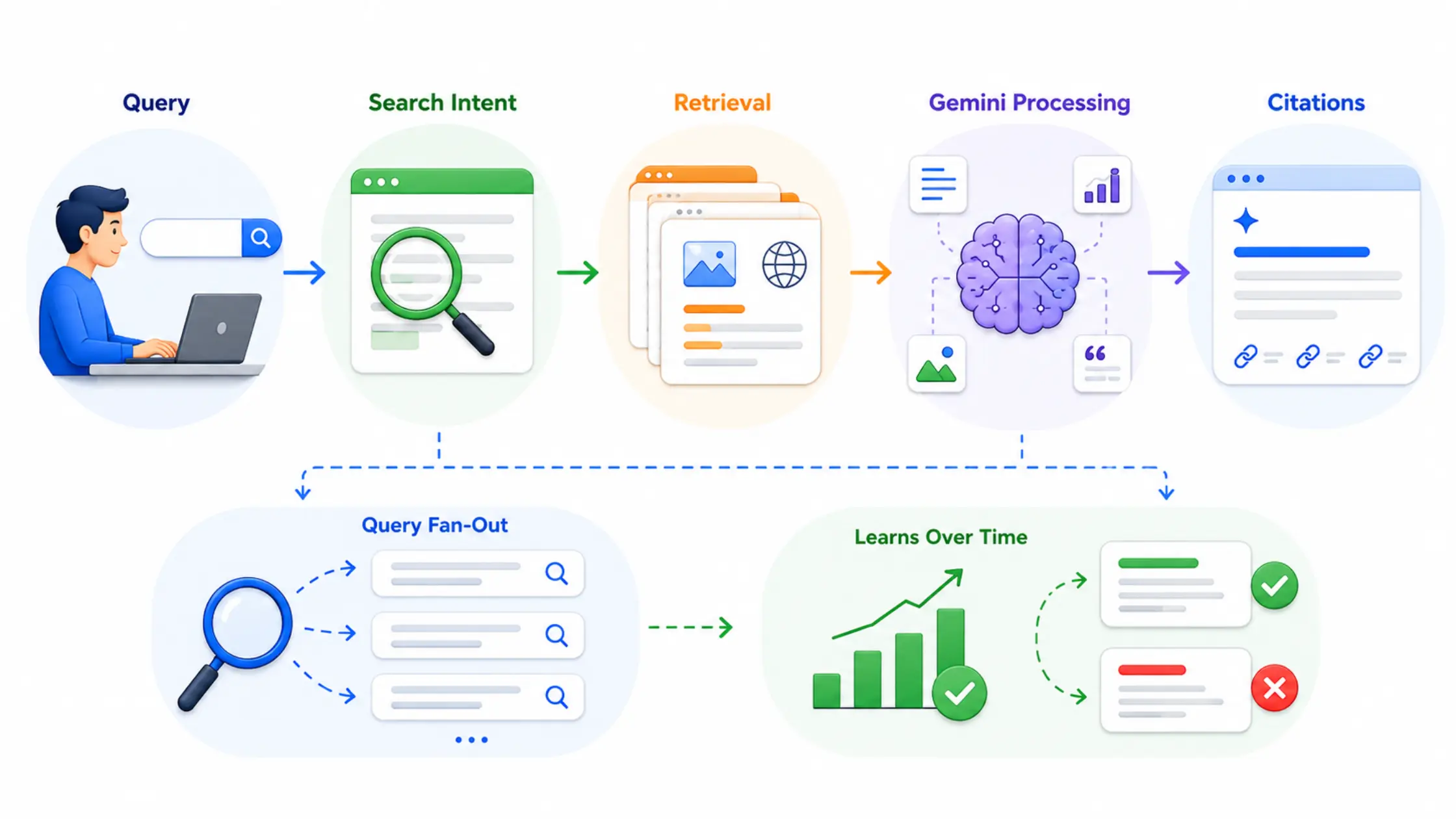
Google AI Overview does not simply guess answers from memory. It uses a method called Retrieval-Augmented Generation (RAG). This means the AI first fetches fresh, real information from the web, and only then writes its answer.
Here is a simple breakdown of the process:
- You type a search query into Google.
- Google’s systems try to understand the intent behind your words.
- Relevant pages are pulled from Google’s massive index.
- Gemini reads this information and writes a clear, combined summary.
- Google adds citation links back to the original websites, so users can verify the answer.
Google also uses something called query fan-out. This means the system silently runs several related searches in the background, not just your one query. This helps it build a more complete and accurate answer for you.
Over time, the system also learns. If users keep clicking one particular source, or ignoring the AI answer altogether, Google adjusts future results based on that behavior.
Why Does Google AI Overview Matter for SEO in India?
You might be wondering, why should I care? Here is the honest answer: because it is changing how people find your website.
It Can Reduce Website Clicks
When an AI Overview appears, many users get their answer instantly. They don’t need to click through to your site anymore. Research shows that people click far fewer traditional search links when an AI Overview is present.
This is important for you to understand, especially if your business depends on organic traffic. It does not mean traffic disappears completely, but the rules of the game have changed.
It Can Boost Brand Visibility
Here is the good news. Even without a click, being mentioned inside an AI Overview puts your brand right at the top of the page. Users see your name before anything else.
And if your website is linked as a source, it builds real authority for your brand. It tells users, and Google, that you are a trusted name in your field.
It Rewards Genuine Expertise
Google’s systems are designed to prefer content that shows real experience and expertise. This is closely tied to Google’s E-E-A-T principle — Experience, Expertise, Authoritativeness, and Trust.
So, if you focus on writing helpful, honest, well-researched content, you are already moving in the right direction.
The Real Impact of AI Overview on Search Results
Let’s be direct with you, because that is what a good guide should do.
- AI Overviews now appear for a meaningful share of searches worldwide, and this share keeps growing every few months.
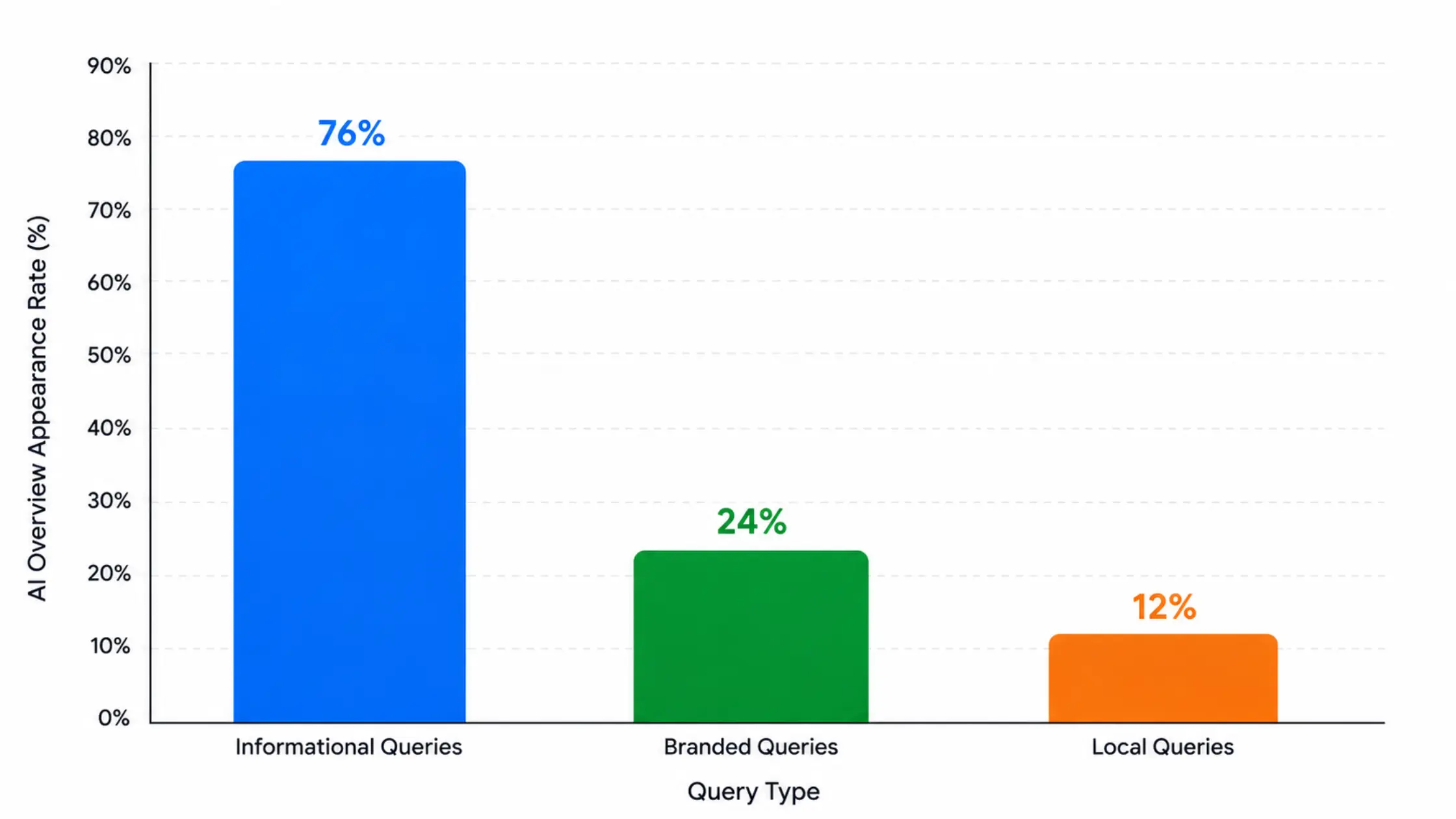
- They show up more for informational queries, longer search phrases, and detailed questions.
- They appear less often for short, branded, or local searches — the kind of searches where people already know exactly what they want.
- Many users only skim the top part of an AI Overview before deciding what to do next.
- Even so, being present as a cited source still sends valuable, high-intent traffic to websites.
This tells us something clear: AI Overview has not replaced SEO. It has reshaped it.
Real Examples of Websites Appearing in AI Overview
Reading rules is one thing. Seeing them in action makes everything click. So let’s look at a real, verifiable example instead of a hypothetical one.
Real Study: RankON Technologies Academy Ranking Inside AI Overview
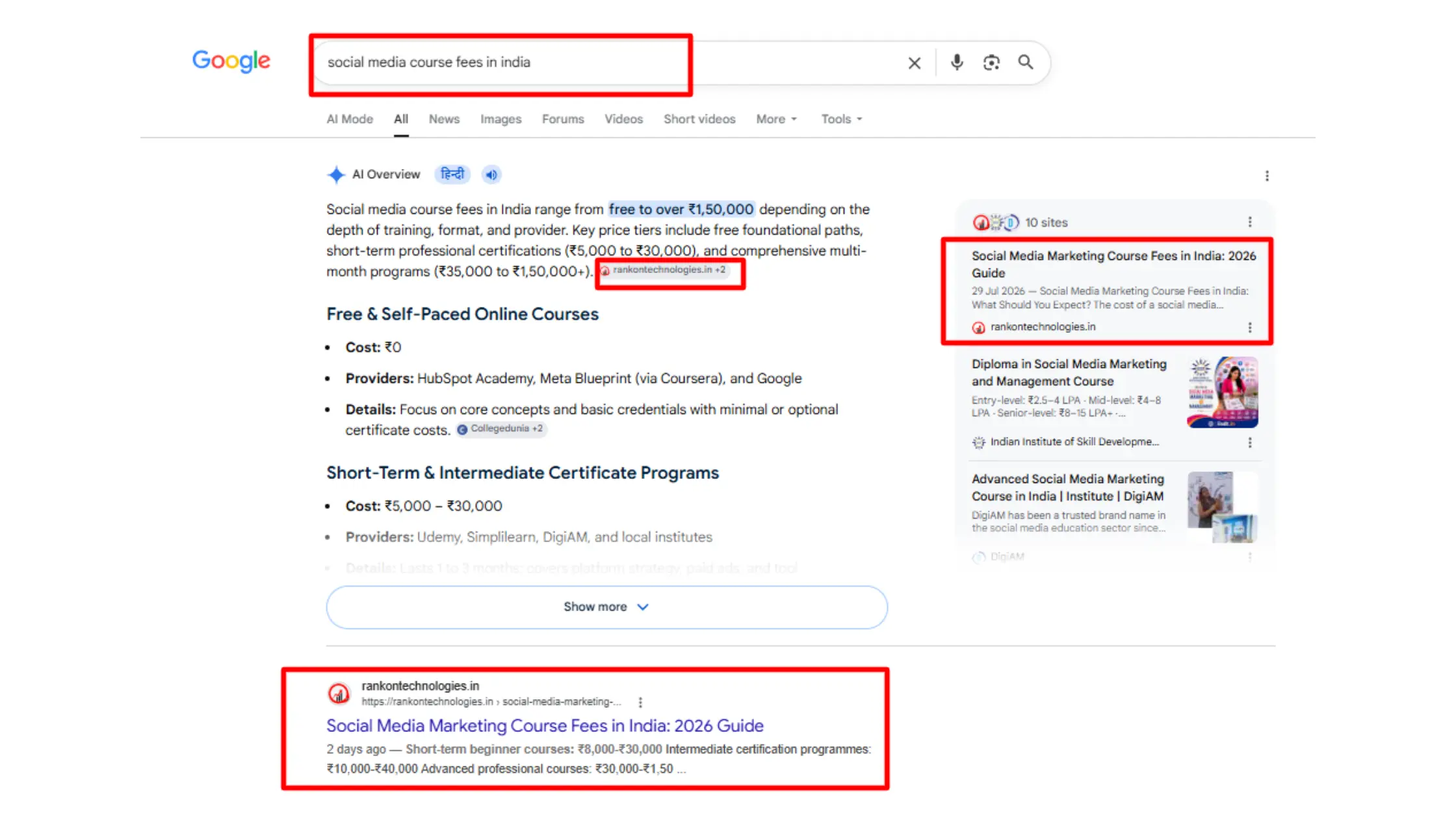
Note: Screenshot of Google search results for “social media course fees in india,” showing rankontechnologies.in cited inside the AI Overview and ranking organically below
Take the search query “social media course fees in India.“ This query is a great example of the type of informational search where Google often displays an AI Overview, making it useful for understanding how websites can gain visibility.
When we searched this query, the search results showed:
- Google generated an AI Overview breaking down course fees into clear price tiers — free courses, short-term certifications, and comprehensive programs.
- RankON Technologies Academy was cited directly inside the AI Overview as one of the sources backing this answer.
- The same page — “Social Media Marketing Course Fees in India: 2026 Guide” — also appeared separately in the “10 sites” AI Overview source panel.
- And on top of that, the exact same page ranked in the normal organic results just below, with its own title and meta description showing up naturally.
This is a powerful, real example because it shows something important: the same page earned visibility in three places on one search results page — inside the AI Overview text, inside the source panel, and in traditional organic rankings.
Why Did This Page Get Featured?
Looking at this example closely, a few clear reasons stand out:
- It directly answered a specific, real-world question — exact fee ranges, not vague information.
- It used clear price-tier breakdowns, similar to how the page itself was likely structured with headings and bullet points.
- It was fresh and updated, referencing 2026 figures, which signals current, reliable information to Google.
- It matched search intent precisely — someone searching this phrase wants numbers, not a general overview of social media marketing.
The Bigger Lesson
This example proves something we mentioned earlier in this guide: you do not need to be the biggest brand to appear in AI Overview. You need to be the clearest, most specific, and most current source on that exact topic.
If a well-structured, specific guide on course fees can earn a spot inside Google’s AI Overview and rank organically at the same time, it shows that the fundamentals.
You can read in the Social Media Marketing Course Fees in India article — clear structure, specific answers, and updated content — genuinely work in practice.
How to Optimize Your Website for Google AI Overview
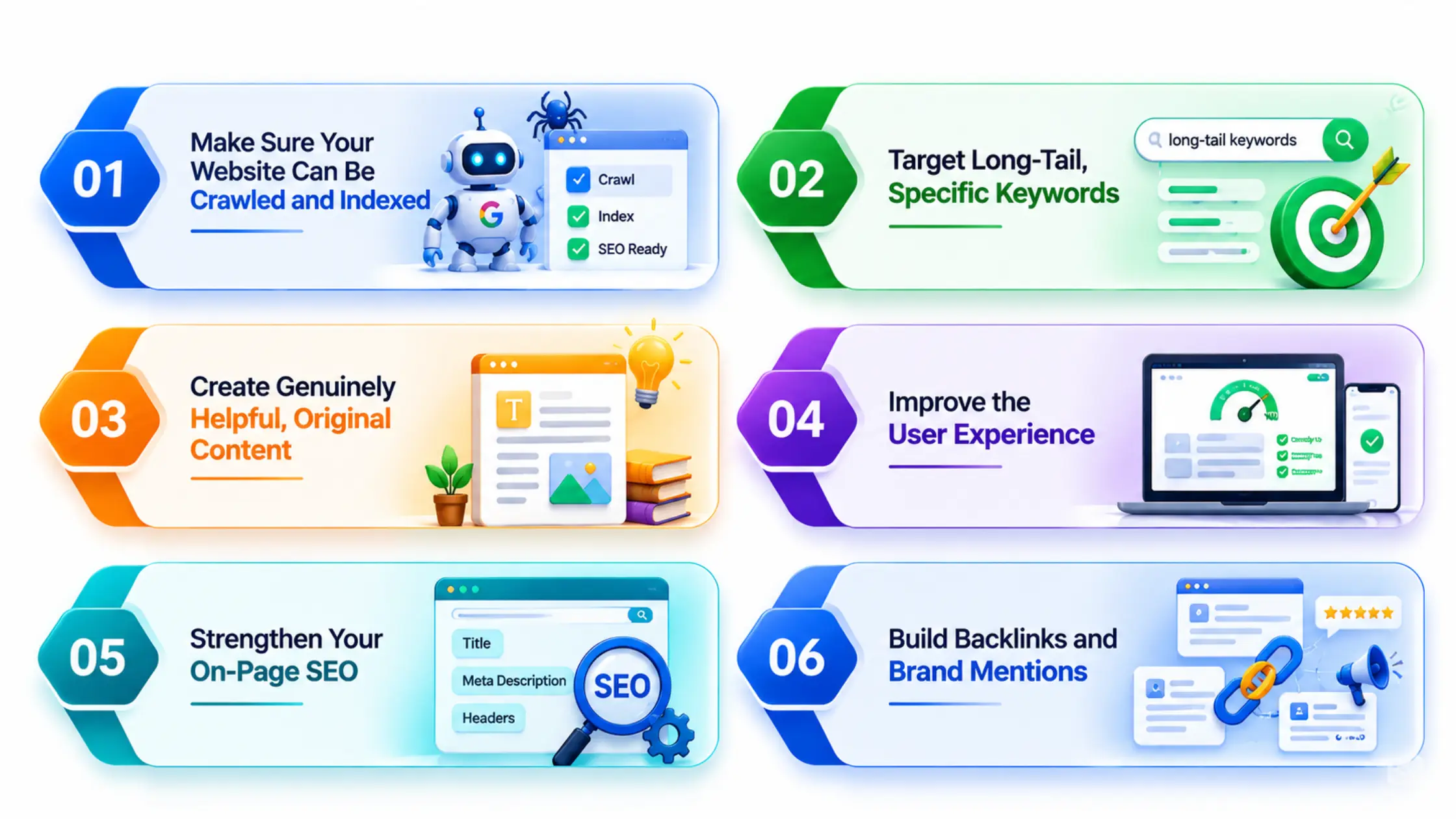
Now comes the part you came here for — the practical guide. Let’s go through this together, step by step.
1. Make Sure Your Website Can Be Crawled and Indexed
Before anything else, Google needs to find and store your pages. If this basic step fails, nothing else matters.
Common technical issues to check for include:
- A robots.txt file accidentally blocking important pages
- Noindex tags left on pages by mistake
- Broken pages showing 404 or 403 errors
- A confusing site structure that makes it hard for Google to move through your site
Fixing these issues first gives every other effort a real chance to succeed.
2. Target Long-Tail, Specific Keywords
Short, generic keywords are hard to compete on. But long-tail keywords — longer, more specific search phrases — often match exactly what AI Overview is trying to answer.
For example, instead of targeting “SEO,” you might target “what is SEO and how does it work for small business websites.” This is far more specific, and far easier to rank for.
If you are new to this concept, our detailed guide on what is seo explains the basics in simple language.
3. Create Genuinely Helpful, Original Content
This is the heart of everything. Google’s systems are built to reward content that is:
- Accurate — properly researched and fact-checked
- Original — offering a fresh angle, not copied ideas
- Expert-driven — written with real knowledge or real experience
- Reader-focused — solving an actual problem for an actual person
- Well-structured — easy to scan, with short paragraphs and clear headings
Thin, generic content rarely earns a place in AI Overview. Depth and honesty do.
4. Improve the User Experience
Google also looks at how enjoyable your website is to use. Focus on these three basics:
- Speed: Your pages should load quickly, on both mobile and desktop.
- Mobile-friendliness: Your site should look clean and readable on a phone screen, without pinching or zooming.
- Security: Always use HTTPS, so your visitors’ data stays protected.
These small details add up to a big difference in how Google treats your website.
5. Strengthen Your On-Page SEO
On-page SEO helps Google clearly understand what each page is about. Pay attention to:
- Title tags that include your main keyword naturally
- Meta descriptions that are honest and inviting
- URL slugs that are short and descriptive
- Heading tags (H1, H2, H3) that are organized and keyword-relevant
- Keywords placed naturally, never stuffed unnecessarily
If you want to go deeper into this skill, consider exploring an online seo course in India, where these techniques are taught step by step with real examples.
6. Build Backlinks and Brand Mentions
Backlinks and brand mentions act like votes of confidence from other websites. The more genuine mentions you earn, the more Google trusts your brand.
You can grow this by:
- Publishing original research or data that others want to reference
- Getting featured in expert roundups and journalist requests
- Staying active and genuinely helpful on platforms like LinkedIn and Reddit
- Partnering with other trusted brands in your industry
Brand mentions, even without a direct link, are becoming increasingly important for AI visibility.
Google AI Overview vs AI Mode: What Is the Difference?
Many people confuse these two features, so let’s clear this up quickly. They are related, but they are not the same thing.
AI Overview is a feature inside the regular Google Search results page. You search normally, and a summary box appears above the usual links. It is quick, short, and works alongside traditional search.
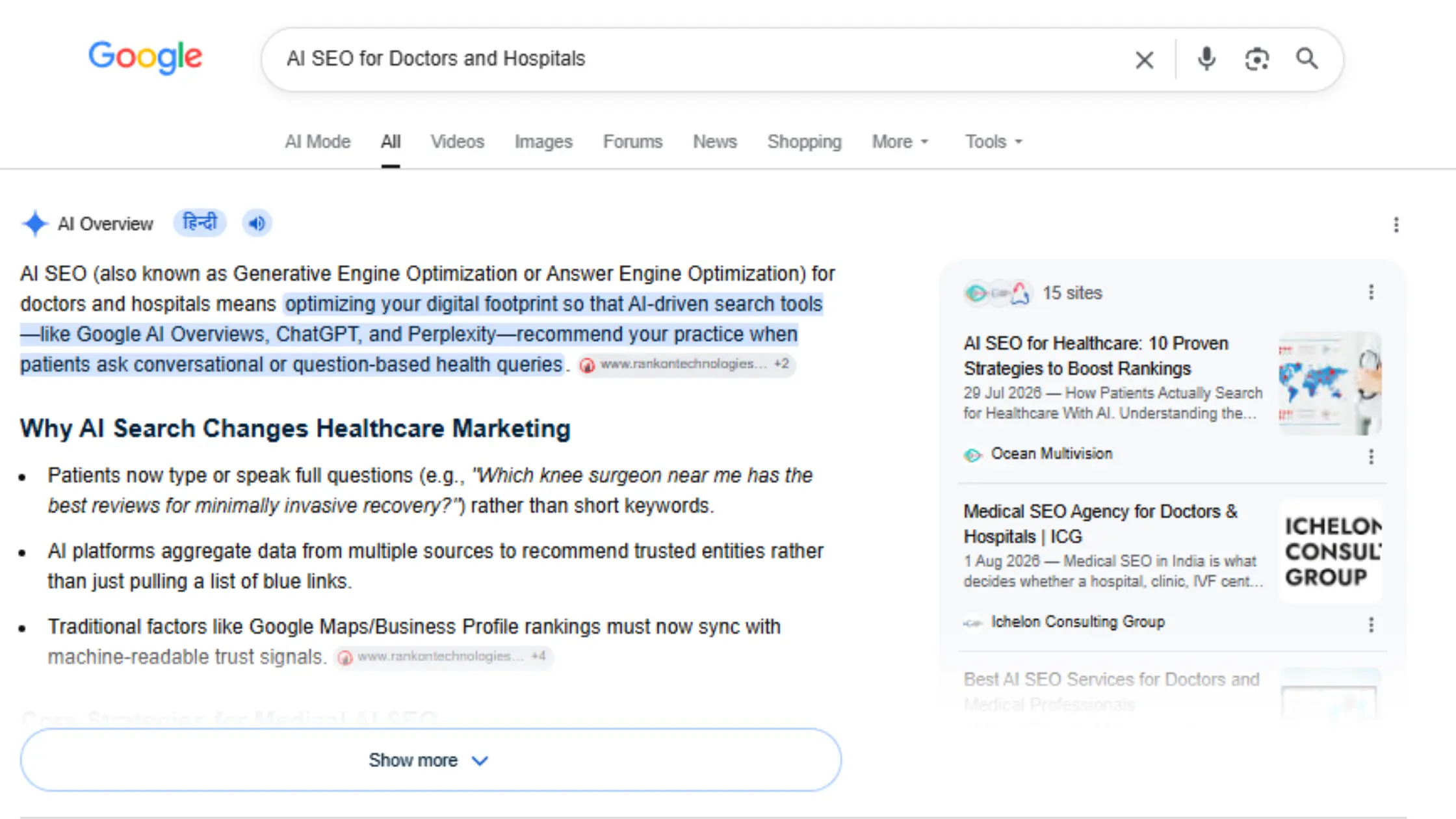
AI Mode, on the other hand, is a completely separate, deeper search experience. It lets you ask long, multi-part questions and follow up with more questions, almost like a conversation.
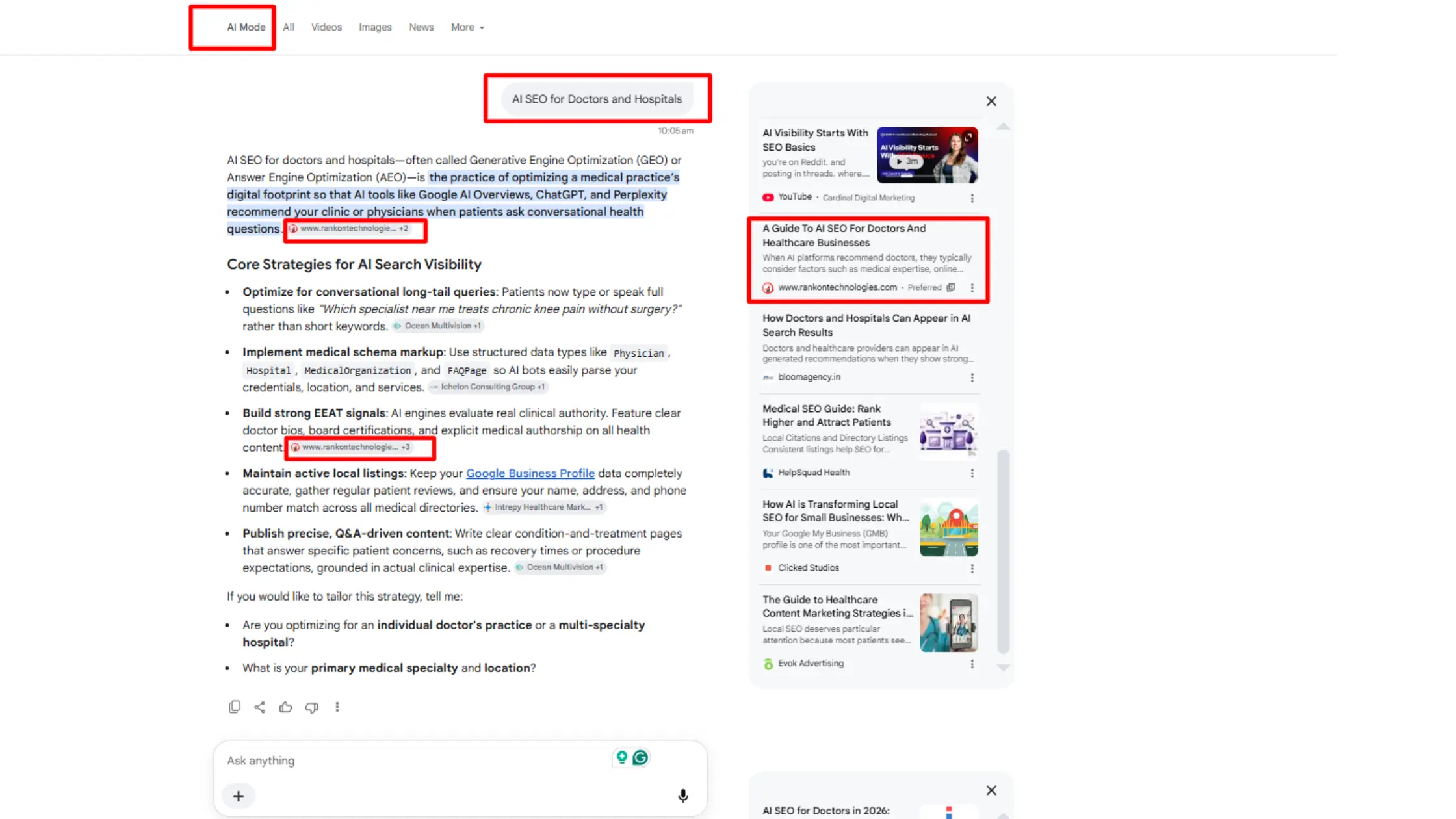
Think of AI Overview as a quick answer box, while AI Mode is more like a research assistant. Both are powered by Gemini, but they serve different needs.
For website owners, this matters because both features pull from the same core signals: strong SEO, clear content, and genuine authority. So optimizing for one genuinely helps you with the other too.
Google AI Overview vs Traditional SEO: What Really Changed?
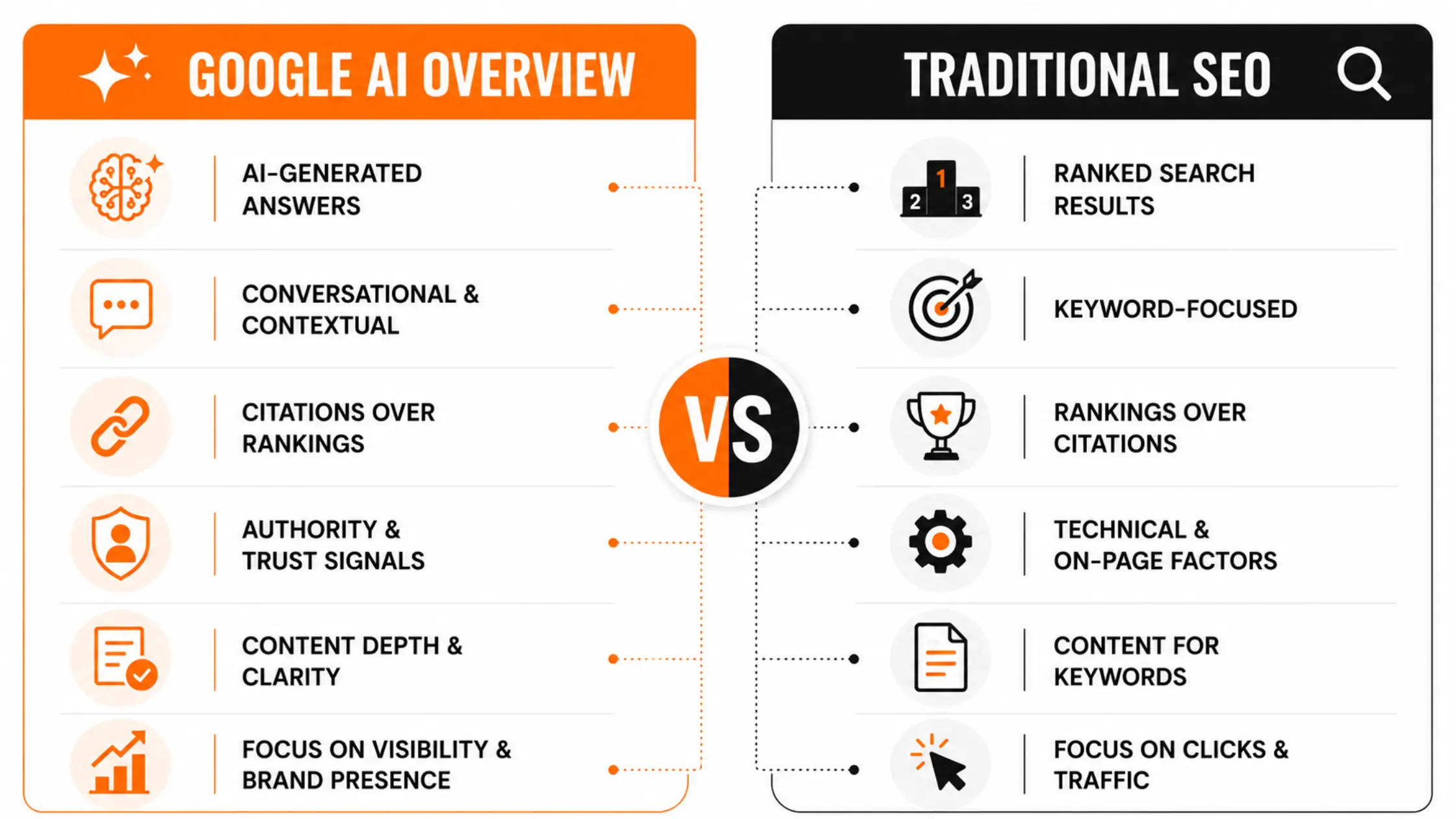
A lot of business owners ask us this question directly: “Has SEO become useless now?” The honest answer is no — but it has evolved.
Traditional SEO focused heavily on ranking a single page as high as possible in a list of ten blue links. That still matters. But now, there is an additional layer to think about.
Here is a simple comparison to make this clearer:
- Traditional SEO rewards strong keyword targeting, backlinks, and page-level optimization.
- AI Overview visibility rewards all of that, plus clear structure, factual accuracy, and content that stands out with genuine “information gain.”
- Traditional SEO often ranks the single best-optimized page.
- AI Overview often pulls from multiple diverse sources, meaning even a strong page from a smaller website has a real chance to appear.
This last point is actually encouraging news for smaller Indian businesses and independent creators. You do not need to be the biggest brand to be featured. You need to be the clearest and most trustworthy source on that specific topic.
Common Mistakes Websites Make with AI Overview
Before you go, let’s quickly cover a few mistakes we often see people make. Avoiding these can save you a lot of wasted effort.
- Writing overly long, unfocused paragraphs that bury the actual answer deep in the content
- Ignoring heading structure, which makes it hard for Google to extract clear meaning from the page
- Copying competitor content instead of adding a genuinely new angle or fresh insight
- Neglecting page speed and mobile design, even when the written content itself is strong
- Forgetting to update older content, even when the information inside it has become outdated
Even fixing just two or three of these issues can noticeably improve your chances of being featured.
Can You Opt Out of Google AI Overview?
This is a common worry, so let’s clear it up honestly.
There is no direct way to fully opt out of AI Overview. Google treats it as a core part of Search, not a separate add-on you can switch off.
However, you do have some indirect options:
- Using a robots.txt rule to block certain pages from being crawled
- Adding a no index tag to remove specific pages from search entirely
- Using a no snippet tag to prevent Google from generating any text snippet
Keep in mind, these methods also reduce your visibility in normal search results, not just AI Overview. So they should only be used with a strong, clear reason.
The Future of Google AI Overview and AI Search in India
So, where is all of this heading? Based on how quickly Google has moved so far, we can expect a few clear trends.
First, AI Overview will likely keep expanding into more complex query types — not just simple questions, but detailed, multi-step research too. We are already seeing early signs of this with AI Mode.
Second, competition for visibility inside AI Overview will grow tougher. As more websites optimize for it, only genuinely strong, trustworthy content will keep earning a place.
Third, for Indian businesses and marketers, this means one thing clearly: skills matter more than shortcuts now. Understanding both traditional SEO and modern AI search behavior will become essential, not optional.
If you want to build these skills properly, structured learning through an online digital marketing course in India can help you stay ahead of this shift, rather than reacting to it later.
Don’t Just Read About AI Search — Master It
Search is changing fast, and understanding it is no longer optional. At RankON Technologies Academy, we teach you SEO, AI search optimization, and digital marketing the practical way — through real examples, not just theory.
Whether you are a beginner or already running a website, our courses help you stay visible.
Enroll in Our SEO & Digital Marketing Course Today
Final Thoughts
Google AI Overview is not something to fear. It is something to understand and adapt to. We have walked through its full journey together — from a small 2023 experiment to a global search feature shaping how millions of people, including us here in India, find information every single day.
The core truth remains simple: good SEO, honest content, and real expertise still win. AI Overview has not changed the rules of the game. It has simply raised the bar.
At RankON Technologies Academy, we believe staying informed is the first step to staying ahead. We hope this guide gave you the clarity you were looking for.
Have questions about how AI Overview affects your specific website? Explore more practical guides at www.rankontechnologies.in.
FAQs About What is Google AI Overview
What is Google AI Overview in simple words?
Google AI Overview is an AI-generated summary that appears at the top of Google search results. It answers your question directly, using information gathered from multiple websites.
When did Google launch AI Overview in India?
Google expanded AI Overview to India in August 2024, along with several other countries, after first testing it in the United States earlier that year.
Does Google AI Overview reduce website traffic?
Yes, it can reduce direct clicks for some websites, since users often get their answer without visiting a site. However, being cited as a source still brings meaningful, high-intent visitors.
How can I appear in Google AI Overview?
Focus on strong technical SEO, original and well-researched content, good user experience, and genuine backlinks. There is no separate “AI Overview SEO” — it rewards the same fundamentals as good, honest SEO.
Can I completely block my website from AI Overview?
Not directly. You can only reduce your chances using robots.txt, no index, or no snippet tags — but these also affect your normal search visibility.